
by Riley Blankenship
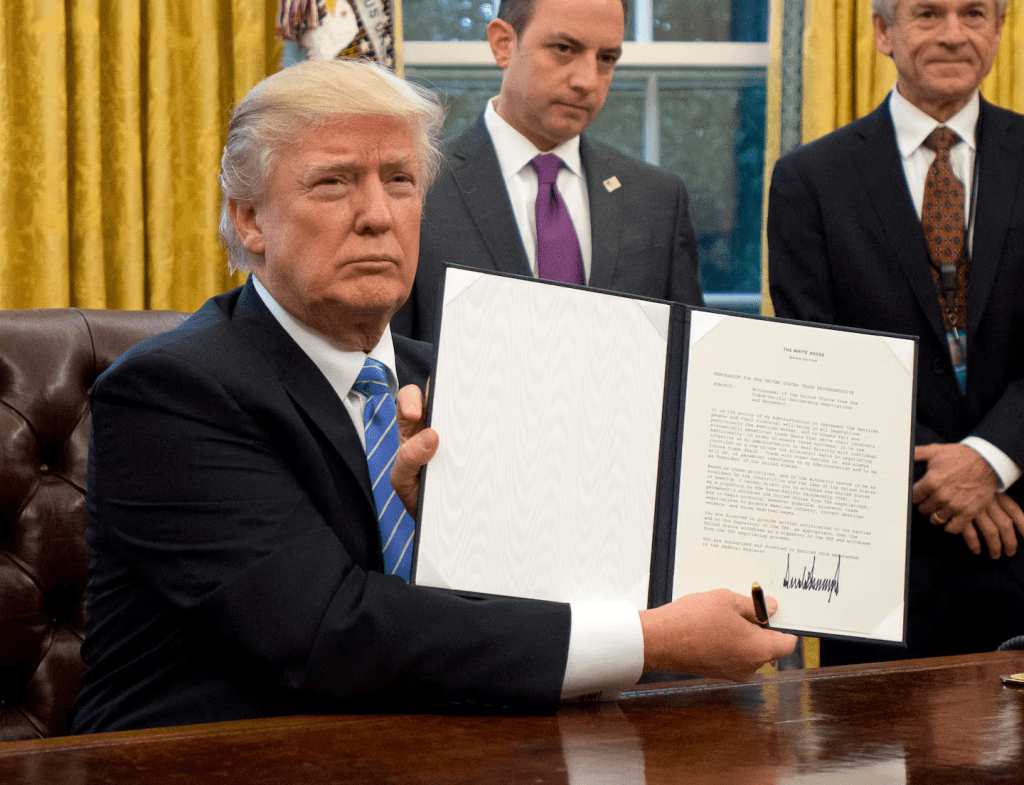
It was a historic day on January 27, 2025 as it marked one week since President Donald Trump took the oath of office and was sworn in as the 47th President of the U.S. Since taking office, Trump has signed a wave of executive orders, affecting nearly every aspect of American lives—from immigration and education to economic and social policies. For college students and minority communities, these changes could have profound and immediate consequences.
With policies that could roll back student loan relief, restrict immigration and reshape federal funding for higher education. The question now is how these decisions will impact the
future of young Americans and marginalized communities. As we enter this new chapter in U.S. history, understanding the real-life effects of these policies is more crucial than ever.
A major order Trump signed which he campaigned on is the complete elimination of Diversity, Equity and Inclusion (DEI) Programs. This initiative cuts most federal DEI programs, including those in education. This is very concerning for college students as this order affects scholarships and grants for minorized student groups. According to a study by Search Logistics, 58% of families rely on scholarships to help pay for college. 1.8 million scholarships are awarded each year for students. The elimination of DEI funding threatens many of these opportunities, especially for first-generation college students, students of color and other underrepresented groups.
Another important executive order from Trump’s first week in office are imposed tariffs on Canadian and Mexican imports, sparking immediate economic concerns. The tariffs, aimed at protecting American manufacturing and agriculture, were set to raise prices on goods such as vehicles, steel, agricultural product buyers alike— this particularly concerning for college students already struggling with rising living expenses.
However, as of February. 3, the administration temporarily paused the tariffs due to high-level negotiations with Canadian and Mexican officials. This pause suggests that there may still be room for trade compromises, but the uncertainty alone has already rattled markets and business leaders. If the tariffs eventually take full effect, students could see higher costs on essential good. From groceries to school supplies, as well as potential job market disruptions, especially in industries that rely on trade with North America.
While Trump argues that these tariffs will protect American jobs, critics warn that they could backfire, leading to retribution from Canada and Mexico and making U.S. exports more expensive abroad. For college students entering the workforce, this could mean fewer job opportunities and higher costs of living, making economic stability even more scarier. The outcome of negotiations will ultimately determine how much impact these policies will have, but for now, the uncertainty alone is enough to cause concern.
Another major issue is the uncertainty surrounding federal education funding. Smaller institutions like Greensboro College may struggle to offset potential funding losses, which could limit access to scholarships and academic support services.
Beyond financial burdens, these executive orders signal broader shifts in federal priorities that could reshape higher education. Colleges and universities may be forced to reevaluate student services, diversity initiatives and career development programs, all of which play a vital role in student success. For Greensboro College students, staying informed and engaged—whether through campus advocacy, student government or voting in upcoming elections—will be crucial in navigating these uncertain changes.
Ultimately, these decisions highlight the importance of staying informed and engaged with national policy. Whether through voting, advocacy or campus activism, students have the power to push for policies that protect their education and future opportunities. As the political landscape continues to evolve, ensuring that student voices are heard will be more critical than ever.
 The Collegian