
By Aidan Eller
It feels like every week you hear about a big-name NFL player getting hurt — anything from torn ACLs to Achilles injuries to twisted ankles. Injuries are part of any sport, but lately, they seem worse and more frequent.
The main suspect? The increased use of artificial turf.
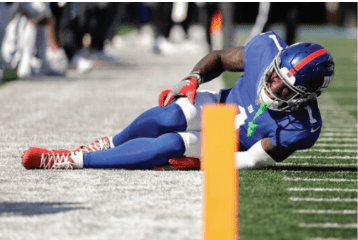
While some people believe the turf is safe enough, more and more players think it’s causing additional injuries. As stadiums continue switching from natural grass to synthetic turf, one question remains — is it worth it?
Over half of NFL teams now play their home games on artificial turf. You might ask why the switch was made in the first place: turf is cheaper to maintain, doesn’t get ruined in bad weather, and works better for stadiums that host multiple sports or events.
When the first “AstroTurf” was introduced, it was basically green concrete. And although technology has come a long way since then, many players still aren’t fans. As 49ers star Nick Bosa put it, “Guys feel different after a game on turf. Your joints do not lie.”
In 2023, a report from the NFL and NFL Players Association showed that non-contact injury rates were almost identical on turf and grass — 0.043 injuries per 100 plays on turf versus 0.042 on natural grass. On paper, that seems like there’s no difference.
But looking closer, another report between 2020 and 2023 found 91 knee ligament tears on turf fields and 58 on grass. That’s a significant gap — and it’s for some of the most serious injuries in the game. Turf games also averaged 2.8 injuries per game compared to 2.5 on grass. Over a full season, that small difference adds up to dozens more injuries. Turf fields also showed a 10 percent increase in ankle and foot injuries, and an 18 percent increase in concussions.
One reason for these severe injuries could be traction. Turf tends to grip cleats more than grass does. When a player makes a sharp cut or sudden stop, the foot can “stick” in place, putting extra stress on the knee, ankle, or Achilles. Natural grass, by contrast, has more give — it absorbs some of that force.
Mike Green, a former pro football player and personal trainer, explained it best:
“Let me start by saying that all my teammates hated turf,” Green said. “There is no give to the surface — it’s hard like concrete and causes more problems for the lower body. Turf puts extra stress on the muscles and joints because it doesn’t absorb impact the same way natural grass does. The lack of cushioning forces your knees, ankles, and hips to take on more shock, which can lead to soreness, inflammation, and long-term wear and tear. It also limits natural foot movement, increasing the risk of strains, sprains, and overuse injuries.”
Many NFL players have been vocal about wanting to go back to grass. Big names like Odell Beckham Jr., George Kittle, and David Bakhtiari have all publicly criticized turf. The NFL Players Association now officially supports switching all fields to natural grass, arguing that it’s safer for players long-term.
Just this season, Joe Burrow, Brock Purdy, and Malik Nabers are all out with serious injuries that may be turf-related.
So, what’s next?
While the NFL hasn’t made any official moves to get rid of turf, some teams are choosing to stick with grass to address their players’ concerns. Others are experimenting with hybrid surfaces — mixing real grass with synthetic fibers — to improve both safety and durability.
At the end of the day, this debate isn’t just about cost or convenience. It’s about keeping players safe — and on the field.
 The Collegian