
By Rachel Broadway
Recently, we celebrated and honored the 25th Anniversary of September 11, 2001. Today, we still pay tribute and honor lives lost and the horrific events that entailed that day. Though many ponder how different generations may view and interpret the events and impacts September 11 had, in addition to if it is necessary to continue learning about these events and impacts.
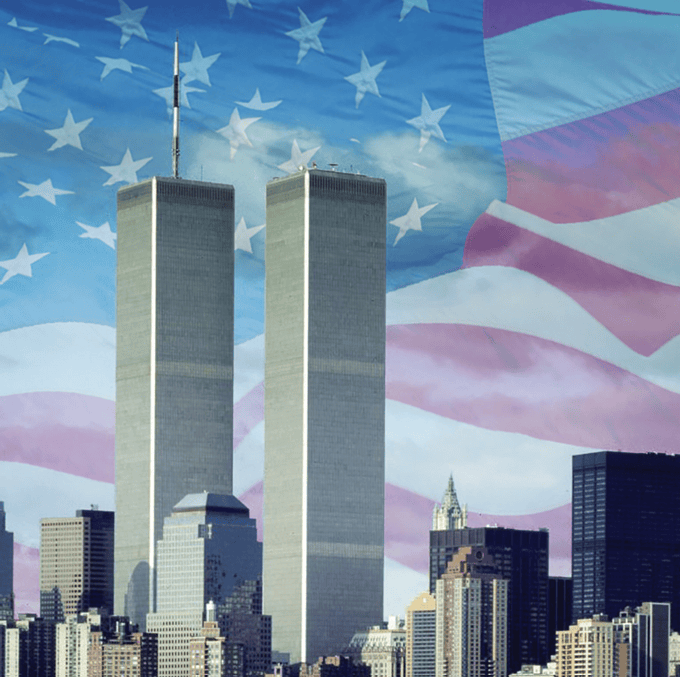
“I felt like I needed to huddle up somewhere and hide. I was terrified,” said Historian and Greensboro College Professor, Dr. Palmadessa, who was a junior undergraduate student at
Greensboro College at the time. “I was aware of bad things, I was aware of injustices in the world; but I never thought once I might get blown up walking down the street.”
September 11 brought a far more fearful society: fear of certain communities, fear of getting attacked at any time and heightened fear of air travel. The events of September 11 instilled an
everlasting fear in many who watched our country get attacked, a fear that remains today in some capacities.
“It was just scary. All the teachers turned on the news in our classrooms and it was just surreal,” said Lindsay Latham, senior director of Student Financial Services at Greensboro College, who was a 15-year-old high schooler at the time.
“It was scary, but also because you did not know if this was the first phase of something,” Latham said. “Were other things going to happen?”
A fear of war and a fear of being attacked was not a feeling high schoolers at the time had felt yet. We, the next generation, can only imagine what they went through and the emotions they felt. Imagine being afraid to go to school, walking down the street or flying on a plane. These are everyday things, yet some individuals are still afraid to do them.
September 11 had many long-lasting impacts that we see today, such as air port security, border security and immigration laws. However, one impact many individuals share as a concern is how we view individuals of other religions or other descents just because of a small group of people from that particular community.
“If September 11 had not happened, I do not think we would see what we are seeing today with border patrol, immigration, visas,” Dr. Palmadessa said. “It is sickening to think that an entire
population of people are blamed for an event that one small group orchestrated, and that is where the hatred is coming from.”
“I think September 11 had a profound impact on not only the United States, but also the world,” said Brynly ManWaring, a junior History-Political Science major. “Airports and security changed forever, American views on the ongoing war were shifted.”
It is evident that the views and opinions of current college students, who were not born at the time, remain similar to those of the individuals who lived through September 11, 2001.
“The days after September 11, there was just so much patriotism. So many people were crying or upset but also were working together,” Latham continued. “They were taking pride in being a part of the United States.”
“I am not sure that we slept. We stayed hooked on the television; nobody did anything. Everything was shut down,” Dr. Palmadessa added.
“Nobody was talking about anything else. I have never experienced anything like that through the rest of my life,” Dr. Stroud, historian and professor at Greensboro College, said.
September 12, 2001, there was a stillness throughout the United States. Not a stillness of a calming nature, but one of coming together, working together and being the country we were founded on. A stillness of community, gratitude, patriotism and mourning. A stillness unlike anything anyone had experienced before.
Professor Jim Langer, a current art professor at Greensboro College who was on faculty at the time, recalls. “The actual events on the day are important, as well as the impact. Because there are repercussions, we still have them today,” Langer said.
“If we do not talk about it, we will not understand why we are where we are now,” Dr. Palmadessa continued. “How can we understand September 11, 2026, if we do not talk about September 11, 2001?”
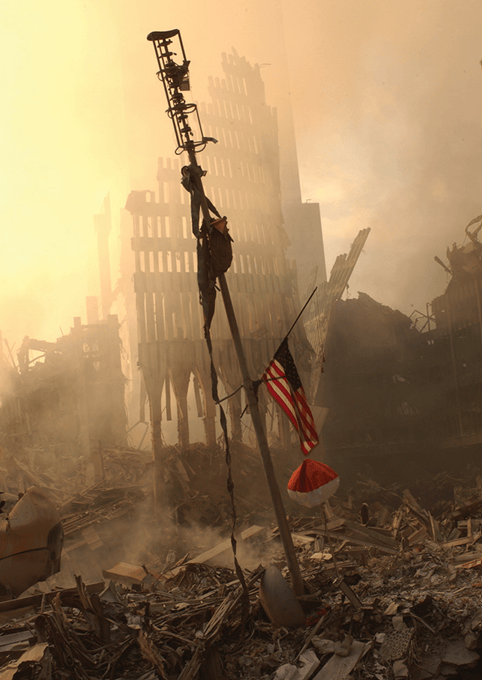
Across varying generations, it is clear we still should continue talking and learning about the impacts of September 11 as well as the events that occurred that day. It is evident that individuals who were alive and remember the events of September 11, 2001, agree it is important and necessary to keep learning and talking about the events that occurred. Many individuals and
professionals share that we may not be able to understand where we are today in our society without knowing about the events that occurred on September 11. This raises the question: How can we as a country plan for the future and live in the present without knowing where we have come from?
As we reflect on the 25th anniversary of September 11, it is evident through out multiple generations the importance of coming together to continue teaching the events and sharing the impacts of that day to future generations. For us as the next generation, it is equally important that we continue to learn and talk about the events and impacts that took place so that we are able to continue sharing this piece of history with the next generations to come.

